The Generation of Freedom: Why Those Born in the 1960s and 70s Are Considered the Most Independent
Psychological research highlights how the lack of digital technology and high levels of personal autonomy shaped the resilience of the 1960-1970 generation.
 🎓Education
Photo: UNIAN
Key points
- Lack of digital distractions fostered childhood creativity
- Unsupervised play was essential for building self-confidence
- Early responsibilities shaped a strong sense of accountability
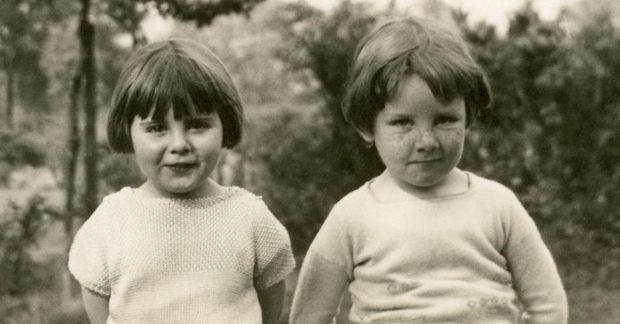
Even as living standards have improved, personal freedom has significantly declined compared to previous decades. People born in the 1960s and 1970s belong to the last generation whose childhood was characterized by significant independence and an almost complete absence of digital technology. According to psychologist Peter Gray, this experience was crucial in developing self-confidence and emotional resilience.
The Power of Unsupervised Play
A key feature of that era was the opportunity to spend vast amounts of time without adult supervision. Children played outside, explored their surroundings, and learned to resolve conflicts on their own. "This experience was fundamental for the development of abilities such as independence, self-confidence, and frustration tolerance," the researcher explains.
In the absence of constant digital entertainment, children had to be creative. When they felt bored, they invented their own games and stories. Experts believe this fostered creativity, patience, and the ability to function without constant external stimuli—skills that are often lacking in the smartphone era.
Responsibility and Social Resilience
Daily chores and responsibilities also played a vital role. Helping with housework or looking after younger siblings helped form an understanding of personal responsibility. Furthermore, peer conflicts had to be settled through negotiation and apology rather than parental intervention.
- Development of independence through lack of constant supervision.
- Enhanced creativity driven by the need to self-entertain.
- Stronger emotional resilience built through real-world social interactions.
While the study notes that this generation also faced hardships like poverty or family issues, the foundational skills they acquired remain a significant advantage. For modern parents, this serves as a reminder that allowing children more autonomy can be beneficial for their long-term psychological health.
Source UNIAN — unian.ua/curiosities/psiholog-poyasniv-chomu-lyudi-narodzheni-u-196… ↗
Read next
 🛡️Security
Former US General Warns NATO is Unprepared for Russia's Air War
The North Atlantic Alliance lacks sufficient readiness for a potential air conflict with Russia, hampered by air defense ammunition shortages and vulnerable logistics.
 🇺🇦Ukraine
NATO Secretary General Mark Rutte rejects Russia's demands to return to 1997 borders
NATO Secretary General Mark Rutte has dismissed Russian proposals to overhaul European security and withdraw Alliance forces as unacceptable.
 🛡️Security
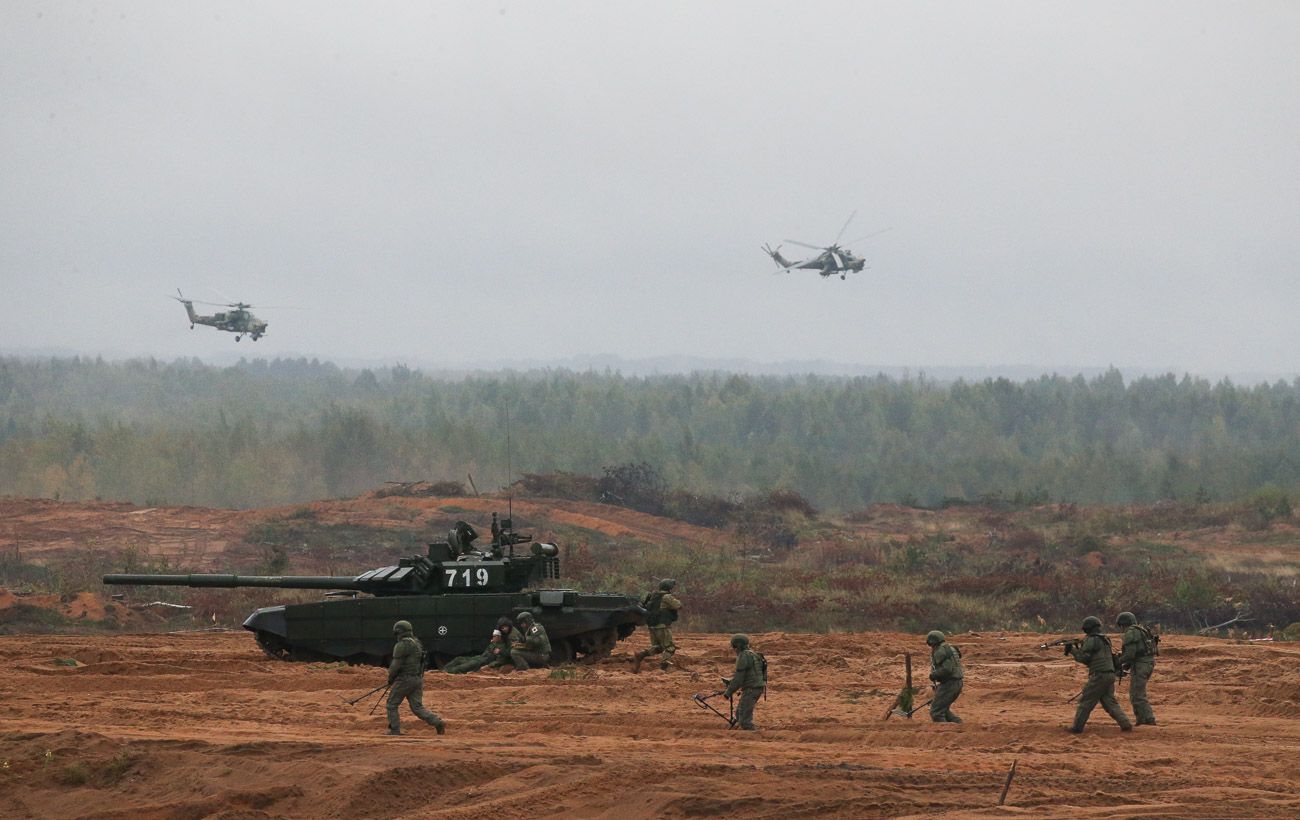
Russia Builds Military Infrastructure 60km from Finland: Satellite Images Reveal Expansion
The Kamenka garrison on the Karelian Isthmus is undergoing major reconstruction to house units currently fighting in the Kharkiv sector of Ukraine.
 🛡️Security
DTEK restores power to millions of consumers following massive attacks
Over the past week, energy workers have restored power to more than 3.5 million Ukrainian families affected by enemy shelling.
 ⚽Sport
Alcaraz's Dominance and Young Prospects: ATP Finals Review
Spanish tennis player Carlos Alcaraz completed the ATP Finals undefeated, cementing his status as a leading figure in men's tennis.
 🇺🇦Ukraine
Slovak Foreign Minister Blanár Blames Ukrainians for 1968 Invasion: Opposition Rejects Shift of Responsibility
Slovak Foreign Minister Juraj Blanár claimed that Ukrainians bore responsibility for the 1968 Soviet invasion of Czechoslovakia. The local opposition strongly criticized …