New Geography of Maritime Threats: Incidents Involving Russian Vessels in Libya and the Gulf of Finland
In November 2026, two notable incidents involving Russian vessels in Benghazi and the Gulf of Finland exposed vulnerabilities in Moscow's global military logistics.
 🛡️Security
Photo: UNIAN
Key points
- Explosion on a Russian vessel in Benghazi on November 22, 2026
- Fire aboard the cargo ship Sparta II in the Gulf of Finland on November 21
- Vulnerability of Russian maritime supply lines in Africa and Europe
- Evolution of modern naval security and asymmetrical threats
In late November 2026, international analysts turned their attention to emergency events along maritime routes linked to Russian military operations. On November 22, a powerful explosion rocked the naval base in the Libyan port of Benghazi. While local emergency services initially reported a munitions detonation, it was later revealed that the blast originated aboard a Russian vessel moored in the harbor.
Strategic Importance of Libya and Logistical Challenges
Ports and airfields in Libya have long served as critical nodes for Russia's military presence in Africa and the Mediterranean. Cooperation with Khalifa Haftar’s forces in the country's east enables Moscow to transfer military hardware, personnel, and supplies. Incidents of this scale force the Russian military command to fundamentally reassess convoy security, port protection, and anti-sabotage measures outside traditional deployment zones.
The situation is compounded by a preceding event on November 21 in the Gulf of Finland, where the Russian cargo vessel 'Sparta II', owned by the company 'Oboronlogistics', caught fire. Although the timing coincidence does not prove operational coordination, it clearly highlights the underlying fragility of supply chains tied to military logistics.
Shifting Paradigms in Modern Naval Warfare
The developments in Benghazi and the Baltic region illustrate how modern conflict has evolved. Military and support vessels can no longer rely on distance to guarantee safety thousands of kilometers away from primary combat zones. The advancement of unmanned systems, sabotage technologies, and long-range precision capabilities is reshaping conventional notions of rear-base security.
For residents of Pereyaslav and Ukrainian communities, understanding these trends highlights how the aggressor’s global network is facing mounting operational strains. In practice, this means Russia must dedicate an increasing share of financial, intelligence, and diplomatic resources to secure its foreign infrastructure, which ultimately redirects capabilities away from other strategic fronts.
Source UNIAN — unian.ua/war/nova-geografiya-viyni-na-mori-ekszastupnik-golovi-sbu-… ↗
Read next
 👥Society
King Charles III and Idris Elba star in a new documentary about charity work
The British monarch and the actor discuss the impact of The King's Trust on youth development.
 🩺Health
Health Ministry expects sufficient flu vaccine supply in Ukraine: What Pereiaslav residents should know
The Ministry of Health has assured that flu vaccine supplies will be sufficient for the season, despite global production delays caused by updated WHO standards.
 👥Society
Marine Le Pen speaks out against Ukraine's EU integration
Leader of the French 'National Rally' party Marine Le Pen stated that she does not support Ukraine's accession to the EU or NATO.
 👥Society
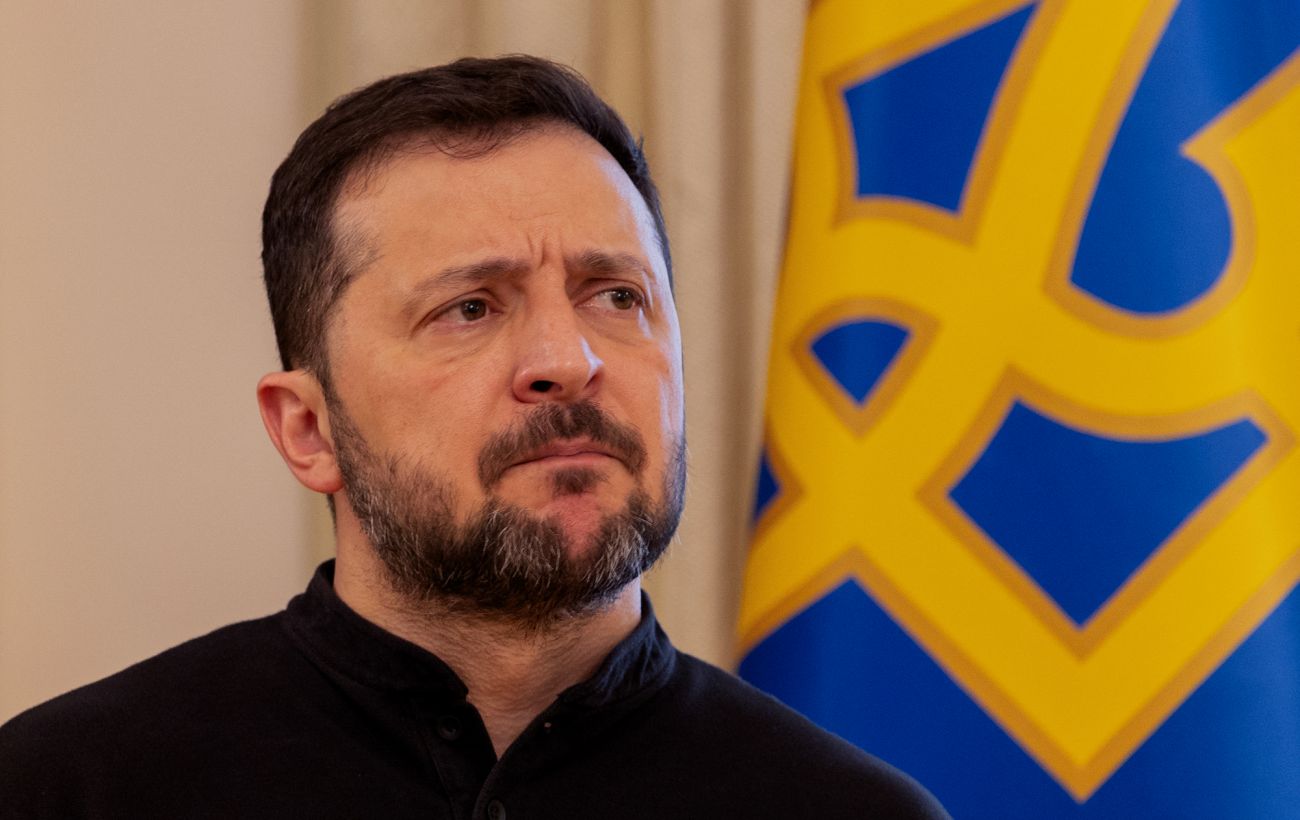
President warns of potential new massive missile attacks
Volodymyr Zelenskyy reported that Russia is preparing new strikes on Ukraine and emphasized the importance of strengthening air defense systems.
 🏙️City
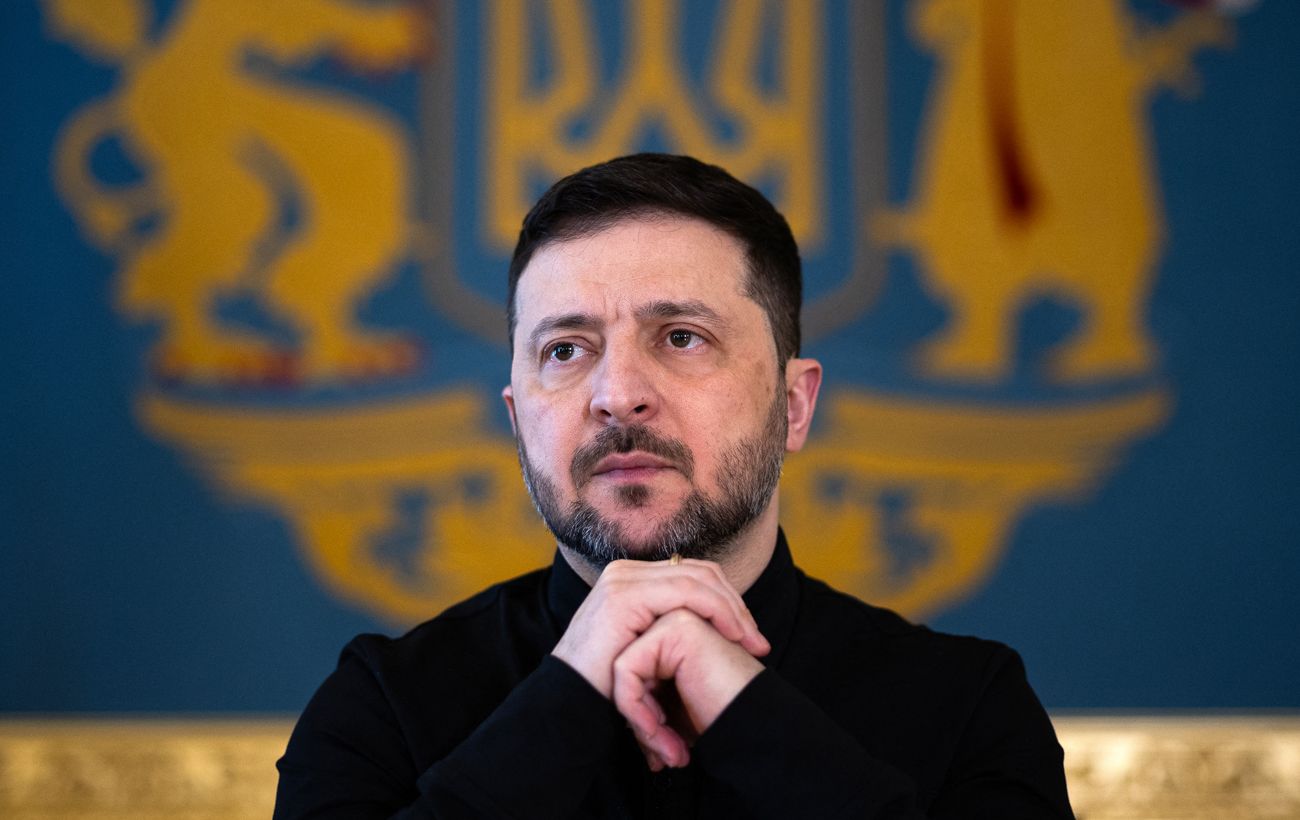
Energy System Protection: Zelensky Holds Meeting on Power Supply Stabilization
The President of Ukraine discussed with government officials and energy experts measures to restore stable power supply and protect critical infrastructure.
 🏙️City
Weather forecast in Pereiaslav for November 24: cloudy with a chance of precipitation
On Sunday, November 24, Pereiaslav expects cloudy weather with temperatures up to 2 degrees Celsius and possible snow.