Military justice and soldiers' rights: why human rights defenders warn against military courts
The debate over restoring military justice continues, but advocates urge focusing on the specialization of civilian courts rather than creating a separate vertical.
 🛡️Security
Photo: Ukrainska Pravda
Key points
- The debate on military justice has intensified in parliament.
- Human rights advocates highlight the risks of command influence on military judges.
- Specialization of current civilian courts is proposed instead of separate military courts.
The discussion on reviving the military justice system has returned to the spotlight amid the full-scale war and ongoing parliamentary debates. Proponents of these changes argue that military personnel cases should be handled by those with direct service experience. However, the human rights center for military personnel "Pryncyp" warns against hasty steps that could jeopardize the independence of the judiciary.
Risks of subordination and command influence
Experts identify the dependence of uniformed judges on the Ministry of Defense or the General Staff as the main threat of potential military courts. Military service relies on strict subordination, whereas justice requires absolute impartiality. The awarding of military ranks and disciplinary statutes create numerous loopholes for potential command interference in court proceedings.
"For a serviceman whose case is being reviewed, all this means a risk that the decision will be influenced by the command vertical rather than the law and the circumstances of the case," experts emphasize.
Similar trends were observed in previous legislative initiatives that increased the liability of subordinates for certain offenses while leaving the oversight of command actions weak. "Pryncyp" believes that the civilian judiciary has accumulated sufficient practice during the war to handle such cases, and any lack of specialized knowledge can be addressed by involving expert witnesses.
An alternative path: specialization over new institutions
Instead of establishing a cumbersome and pressure-vulnerable system of military courts, human rights defenders suggest introducing narrow specialization among existing civilian judges. This primarily concerns cases involving offenses against the established order of military service and administrative proceedings. Such an approach would improve the quality of decisions without risking the independence of the judicial branch.
Source Ukrainska Pravda — pravda.com.ua/news/2026/11/20/8063800/ ↗
Read next
 🚨Events
Police investigate murder following shooting in Kharkiv
A shooting incident in Kharkiv on Sunday evening resulted in a man's death. Police have launched a special operation to identify the perpetrators.
 🏛️Politics
US Considers NATO-Style Security Guarantees for Ukraine
Washington is initiating talks on a new European security architecture, with NATO Article 5-style guarantees for Ukraine as a potential key component.
 ⚽Sport
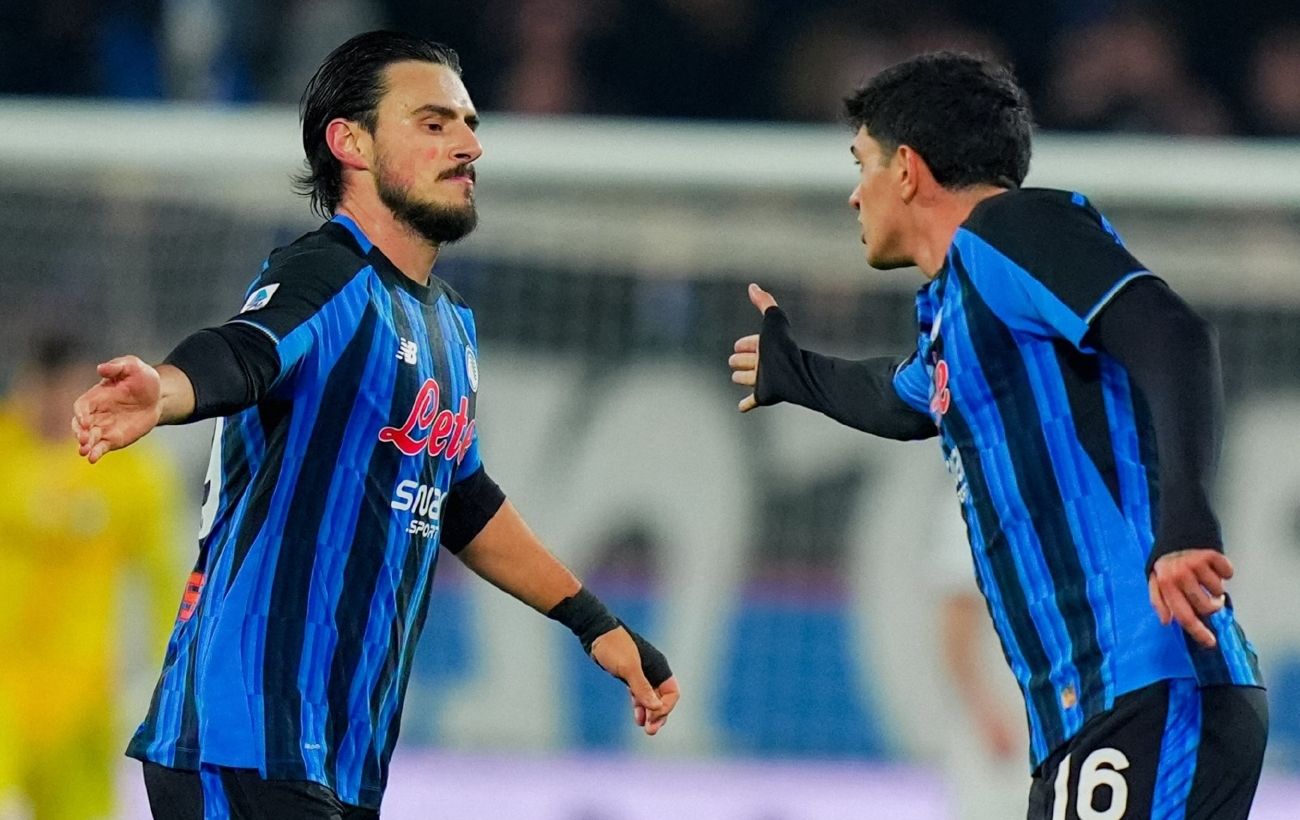
Goal-fest in Serie A: Atalanta snatches a draw against Inter
In a thrilling 12th round match of the Italian championship, Atalanta and Inter played out a dramatic 4-4 draw.
 🏛️Politics
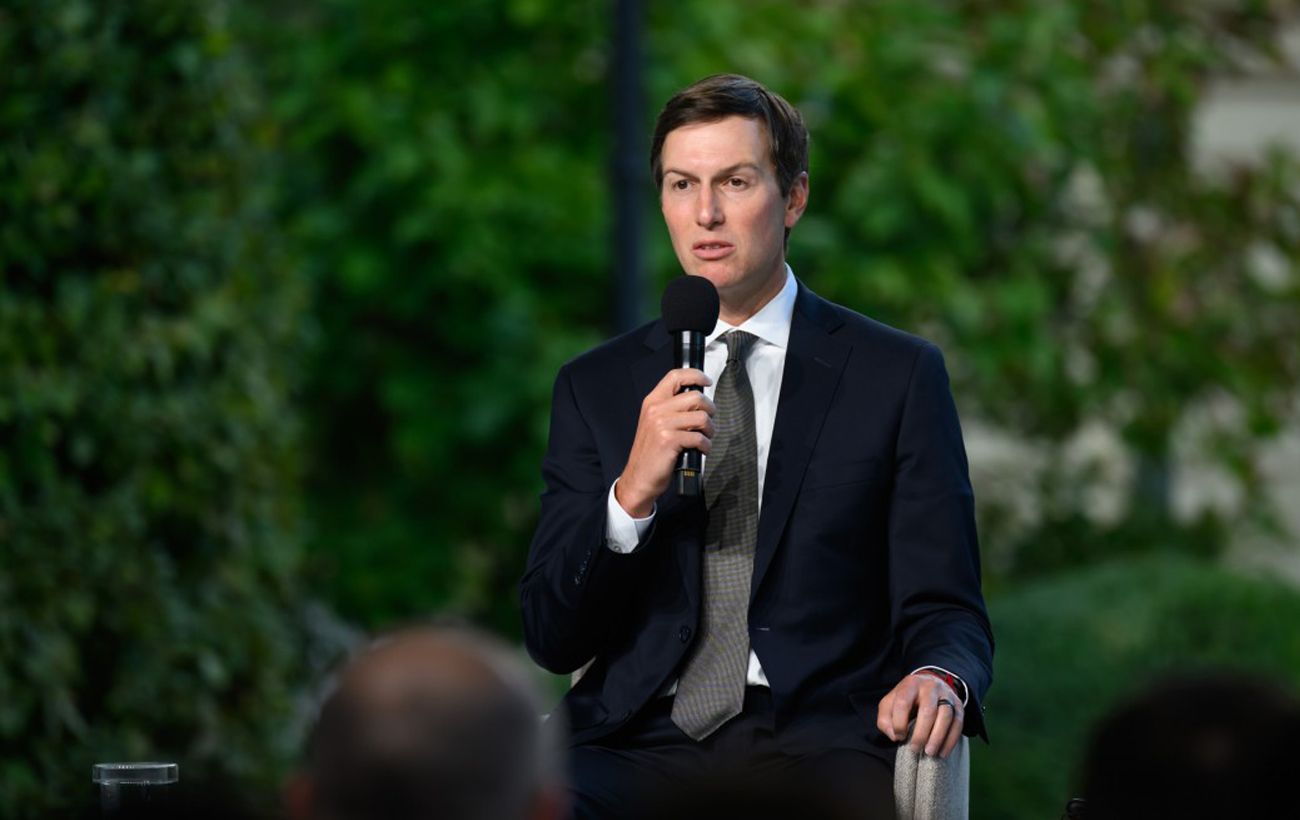
Jared Kushner outlines conditions for providing Ukraine with NATO-style security guarantees
US special envoy Jared Kushner stated that the US is working on security guarantees for Ukraine modeled on NATO's Article 5.
 🚌Transport
Weather in Pereiaslav: forecasters warn of snow and icy conditions
On Monday, November 23, weather conditions in the Kyiv region are expected to deteriorate. Residents are urged to be cautious due to potential ice on the roads.
 🏛️Politics
US Congress Prepares Mechanisms to Protect Aid to Ukraine Despite Trump's Stance
Democratic lawmakers in the US are planning to pass a multi-billion dollar aid package for Ukraine and restrict the White House's authority to block it.