Strengthening Cooperation Between Russia, China, Iran, and North Korea: An Analysis of Global Threats
The Economist reports on the increasing coordination between four authoritarian regimes, posing new challenges to global security.
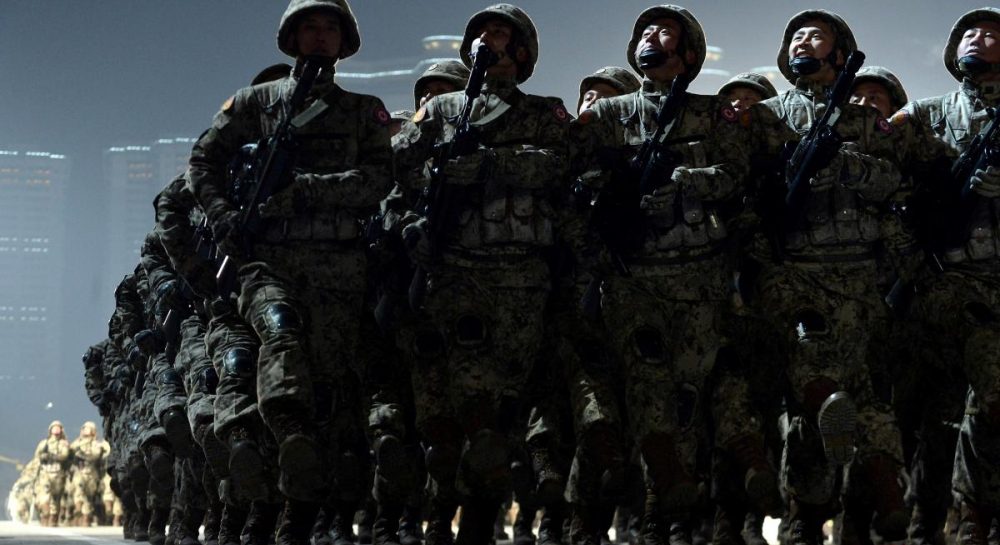 💡Tech
Photo: UNIAN
Key points
- Rising number of security cooperation cases between the four countries
- Absence of a formal military bloc despite high levels of coordination
- Challenges for the West due to difficulties in effective containment
A New Architecture of Geopolitical Confrontation
Analysts at The Economist note that Russia, China, Iran, and North Korea are increasingly coordinating their actions, creating a support network to bypass international sanctions and exchange military technologies. Although this alliance lacks a formal status like NATO, the volume of interaction between these countries has increased significantly in recent years.
According to data from the FDD center, more than 600 instances of security cooperation were recorded between 2019 and 2025. Such cooperation includes not only arms supplies but also the exchange of intelligence and military experience, allowing these regimes to more effectively resist Western pressure.
Lack of a Unified Center and Conflicting Interests
Despite close cooperation, the report's authors emphasize the absence of a unified command or mutual defense obligations. The interests of the participants in this informal group often diverge: for instance, China seeks stability in energy markets, whereas Russia benefits from global turbulence and high oil prices.
However, even with internal disagreements, mutual support makes these regimes significantly more resilient to external restrictions. Currently, the West has yet to develop an effective strategy to contain such network-based interaction, which creates new risks for the stability of the international order.
Source UNIAN — unian.ua/world/rosiya-knr-iran-ta-pivnichna-koreya-stvorili-neforma… ↗
Read next
 💼Economy
Consuming canned sardines: why you should keep the bones
Nutritionists advise against removing small bones from canned sardines, as they are a valuable source of calcium.
 🏛️Politics
Trump’s Peace Initiatives and European Response: Updates on Ukraine Negotiations
The Trump administration aims to finalize a peace deal by January 2027, but European leaders remain opposed to any division of spheres of influence.
 🇺🇦Ukraine
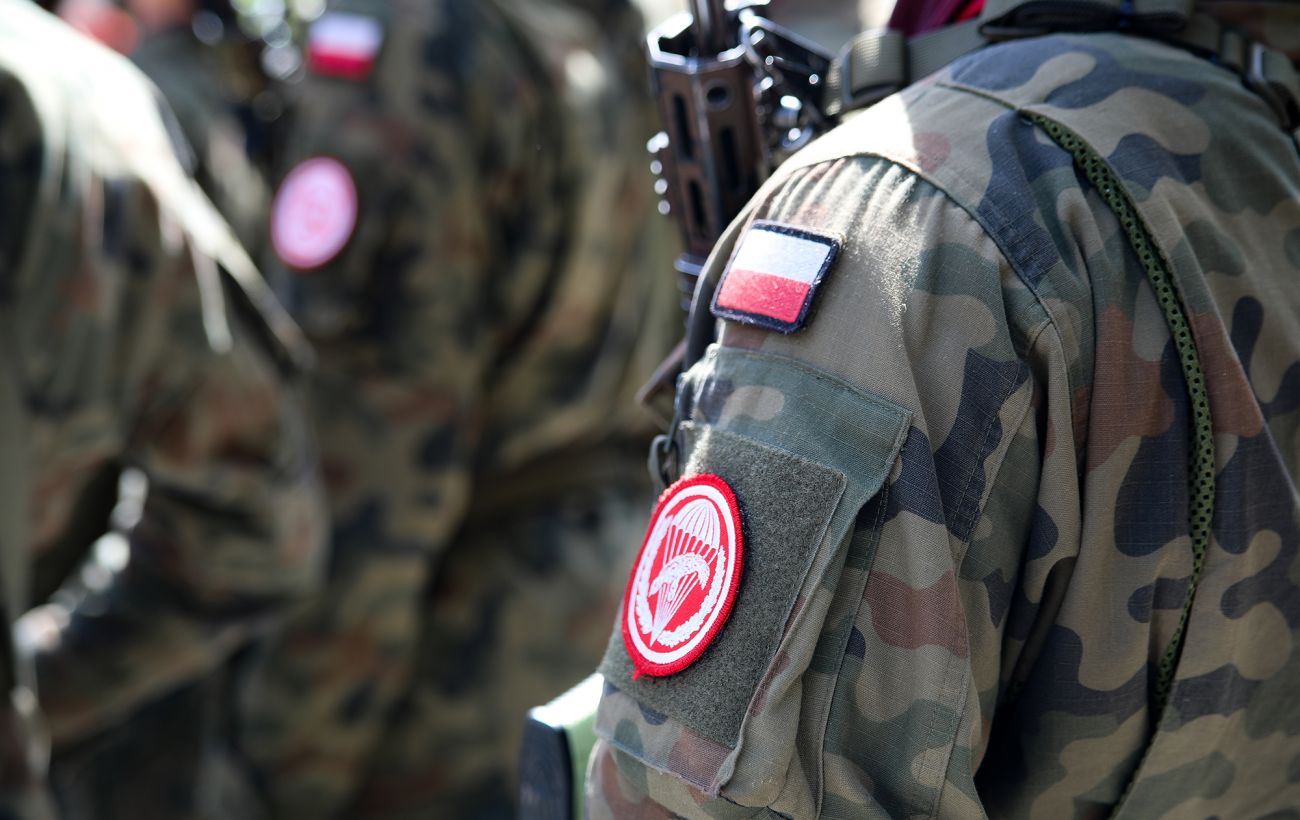
Poland missile incident: Investigators reveal third Russian Kh-101 missile crossed border
Polish investigators confirmed that three Russian Kh-101 cruise missiles breached the country's airspace on November 20. All retrieved debris will undergo specialized for…
 🇺🇦Ukraine
AFU thwart enemy plans in Kharkiv region: 15 settlements liberated
Ukrainian forces conducted a successful counterattack in the north of the Kharkiv region, eliminating a Russian salient and removing the threat of encirclement for AFU un…
 🩺Health
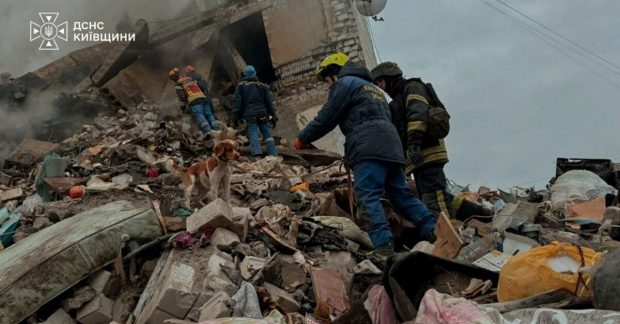
7-year-old boy rescued in Dymyt, Kyiv region, after spending nearly 14 hours under rubble
A young boy survived a drone attack on a residential building and was safely evacuated after hours of intensive rescue operations.
 🎭Culture & Sport
Granddaughter of Oleksiy Danilov joins 'The Voice of Ukraine' season 14
19-year-old Maria Danilova became a contestant on the vocal show, speaking out about the pressure she faces due to her family name.