Microplastics in water: new study reveals hidden chemical threat
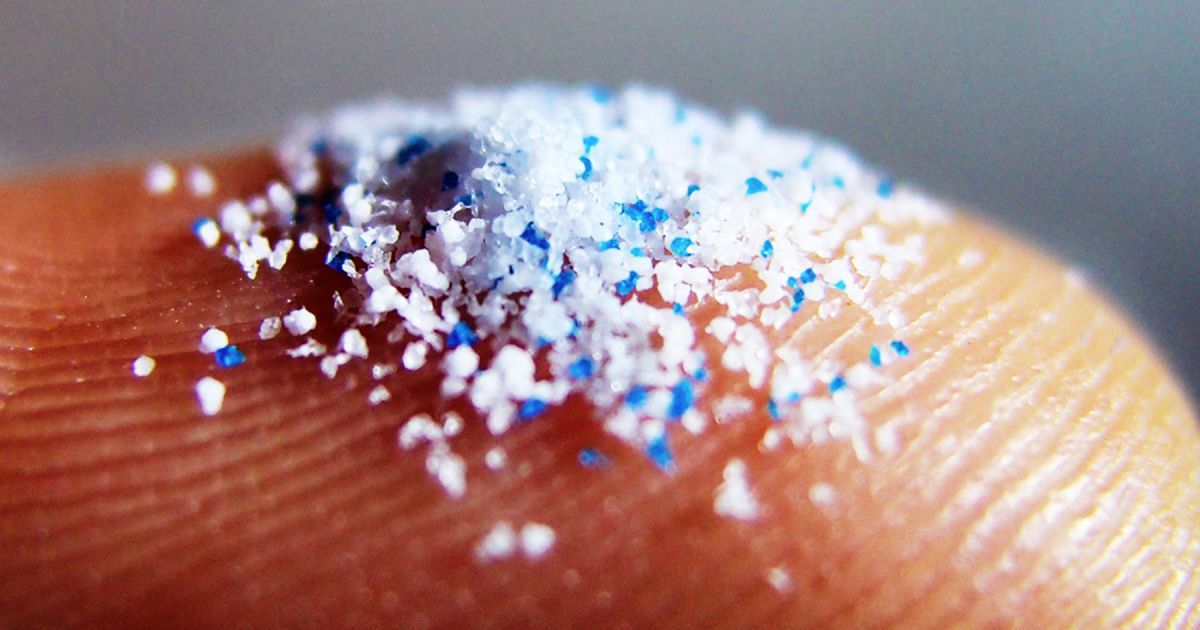
Scientists have discovered that microplastics in water can trigger active chemical reactions that may damage biological cells.
 🩺Health
Photo: TSN
Key points
- Microplastics trigger chemical reactions in water
- Reactive oxygen species damage cells
- Heating plastic increases contamination risk
Researchers from Columbia University and the University of California, Berkeley, have found that microplastics are not merely passive pollutants. When in contact with water, plastic particles generate reactive oxygen species capable of damaging DNA and proteins.
Chemical activity of plastic
During the experiments, scientists tested six types of plastic, including polyethylene and polypropylene. It turned out that these materials create conditions for electron transfer, leading to the formation of hydroxyl radicals. The process of plastic breaking down into smaller fragments is particularly dangerous, as it increases the surface area for potential chemical reactions.
Laboratory tests on mouse red blood cells confirmed that this chemical activity can lead to the destruction of cell membranes. Experts emphasize that heating plastic containers or storing water in plastic bottles under direct sunlight for long periods accelerates the release of these hazardous particles.
Source TSN — tsn.ua/zdorovya/mikroplastyk-vyiavyvsia-nebezpechnishym-niz-vvazaly-shc… ↗
Read next
 🎓Education
Giant 350-kilogram pumpkin: farmer from Smila shares harvest with the community
A resident of the Cherkasy region grew a 350 kg giant pumpkin in his garden and distributed it to the public for free.
 🏛️Politics
US Director of National Intelligence: Putin is not America's friend regarding Ukraine
Director of National Intelligence Jay Clayton clarified that Donald Trump's diplomatic rhetoric does not reflect a change in US stance toward Russia's actions in Ukraine.
 🎓Education
Tragedy in Dymer: Death toll from attack rises to eight
Rescuers have recovered the body of the eighth victim of the attack on Dymer. Search and rescue operations at the site of the destroyed building are ongoing.
 👥Society
Clashes at Kyiv Pechersk Lavra: Police Launch Investigation
Clashes occurred at the Kyiv Pechersk Lavra as groups disputed the rights to use religious buildings within the historic complex.
 💼Economy
ISW analyzes humanitarian corridor prospects: why Kremlin's proposals for Donetsk region are questionable
Analysts at the Institute for the Study of War explain why Russia's proposal to evacuate from Kostiantynivka is unfeasible, unlike Ukraine's initiatives in the Kherson an…
 🛡️Security
Oil refinery attacked again in Novoshakhtinsk, Russia
An oil refinery in Novoshakhtinsk, Rostov region, was hit by an attack on the night of November 23.