Ecological Crisis on Tenerife: How 11 Mouflons Altered the Island's Fate
The introduction of mouflons to Tenerife in 1971 for hunting purposes led to an uncontrolled population boom and a threat to the island's unique flora.
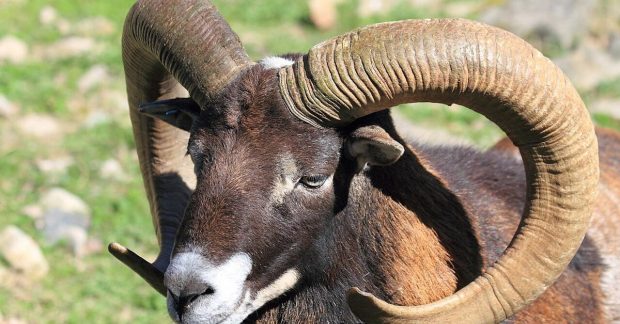 🧠AI Analysis
Photo: UNIAN
Key points
- Introduction of mouflons in 1971 for hunting
- Lack of predators caused explosive population growth
- Threat to the island's endemic plants
- Mouflons officially declared an invasive species
The Consequences of Human Intervention
Over half a century ago, an initiative on Tenerife, part of the Canary Islands, turned into a significant ecological problem. In 1971, 11 mouflons were introduced to the island to promote sport hunting. In the absence of natural predators and proper population management, the animal population grew rapidly, eventually spiraling out of control.
Threat to Endemic Species
Today, mouflons are classified as an invasive species, causing irreparable damage to the local ecosystem. The animals graze intensively on rare plants, including the endemic Teide violet, and destroy the soil cover in mountainous areas. Due to the mouflons' high adaptability to rugged terrain, efforts to control their numbers have proven extremely difficult.
Currently, Spanish authorities have officially designated the mouflon as an invasive species and are implementing special programs to reduce their population. These measures aim to restore the island's natural balance, which developed over millennia in conditions of geographical isolation.
Source UNIAN — unian.ua/ecology/mufloni-postavili-na-mezhu-katastrofi-prirodu-ostr… ↗
Read next
 🇺🇦Ukraine
Russian corvette 'Merkury' damaged in Libya: potential Ukrainian drone strike
A Russian naval vessel was damaged in Benghazi, Libya, following an explosion. Media reports suggest Ukrainian maritime drones may be responsible.
 🛡️Security
Russia tests NATO defense algorithms through airspace violations, expert says
Retired Ukrainian Colonel Dmytro Kashchenko stated that Russian missile and drone incursions into NATO territory are deliberate tests of Alliance response systems.
 💼Economy
Scientists revive 40,000-year-old bacteria from permafrost: climate concerns
Researchers from the University of Colorado found that ancient microorganisms can rapidly reactivate, posing significant risks to the global climate.
 🎓Education
Giant 350-kilogram pumpkin: farmer from Smila shares harvest with the community
A resident of the Cherkasy region grew a 350 kg giant pumpkin in his garden and distributed it to the public for free.
 🏛️Politics
US Director of National Intelligence: Putin is not America's friend regarding Ukraine
Director of National Intelligence Jay Clayton clarified that Donald Trump's diplomatic rhetoric does not reflect a change in US stance toward Russia's actions in Ukraine.
 🎓Education
Tragedy in Dymer: Death toll from attack rises to eight
Rescuers have recovered the body of the eighth victim of the attack on Dymer. Search and rescue operations at the site of the destroyed building are ongoing.